From Passive Investor
to Active Owner
When a collective real estate project in Argentina concludes, participants receive units they've never managed. We offer practical education so you understand what owning a functional unit actually means — and what to do next.
Educational content only — we do not manage buildings or provide fiscal advice.

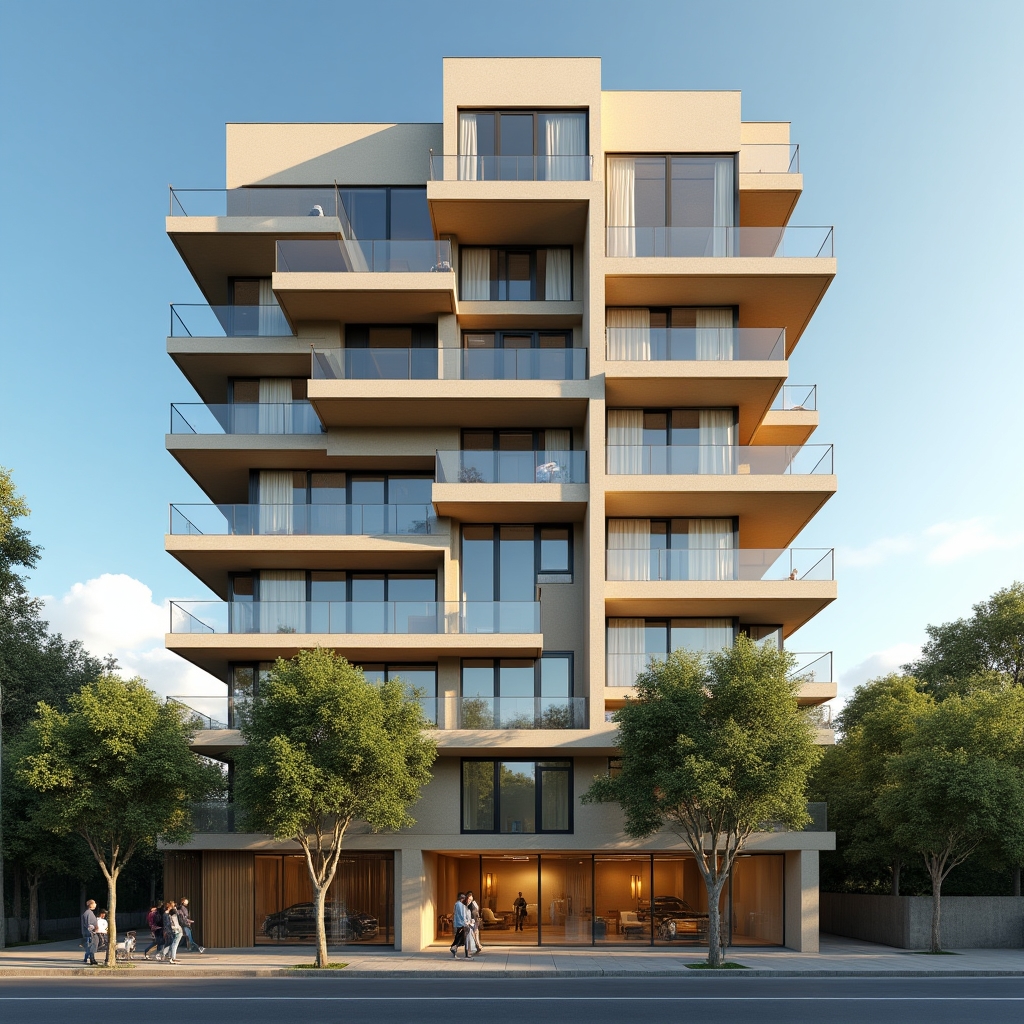



What does it mean to go from investor to owner?
The shift from passive participant in a collective project to active owner of a functional unit involves legal, administrative, and financial dimensions that many new owners encounter for the first time.
Legal Ownership Structure
Owning a unit in a horizontal property building means holding rights over a private space while sharing co-ownership of common areas. Understanding this structure is essential before making any decisions about your unit.
Monthly Expense Obligations
Expensas (building expenses) are a recurring obligation for all unit owners. They cover maintenance, staff, insurance, and shared services — calculated proportionally based on your unit's coefficient.
Consortium Participation
As a co-owner, you become part of a consortium (consorcio) with other unit holders. This body makes collective decisions about building management, expenses, and major works.
Regulatory Framework
Argentina's horizontal property law (Law 13,512 and Civil Code updates) establishes the rules that govern your building's consortium, your rights, and your obligations as a unit owner.
Tax Implications of Ownership
Owning a real estate unit generates specific tax obligations — from property tax (ABL or ARBA) to income implications if you sell. Knowing which taxes apply helps you plan accordingly.
Decisions About Your Unit's Future
Rent it, sell it, or use it yourself — each path has distinct administrative, legal, and tax considerations. Understanding your options helps you make informed decisions.
What does the transition program cover?
Six educational modules designed for people who received a real estate unit through a collective investment project and need to understand what comes next.
Title Deed & Registration
What escrituración means, how the process works, who the parties involved are, and what documents you need to have your unit formally registered in your name.
Learn moreHorizontal Property Explained
How the legal framework for apartment buildings works in Argentina — the consortium, the building regulations, the roles of owners and administrators.
Learn moreExpenses & How They're Calculated
What expensas cover, how they're broken down between ordinary and extraordinary, how your unit's coefficient affects the amount you pay each month.
Learn moreChoosing an Administrator
What to look for when selecting a building administrator, what their responsibilities are, how to evaluate their performance, and how to change administrators if needed.
Learn moreSelling Your Unit
The steps involved in selling a unit in a horizontal property building — from pricing considerations to the legal process, required documentation, and tax implications.
Learn moreApplicable Taxes
An overview of the taxes that apply to real estate ownership in Argentina — property tax, income tax on rental income, transfer tax on sale — and how each one works.
Learn more

What gap does this program fill?
When a collective real estate project concludes in Argentina, the developer's job is done — but the participants' journey as property owners is just beginning. Most people who invested in these projects did so expecting passive returns, not active property management responsibilities.
Doxlino exists to bridge that gap with structured, practical education — not generic advice, but specific knowledge about what it means to own a unit in a horizontal property building in Argentina today.
How does the transition unfold?
Most collective real estate investors go through a predictable sequence of steps once their project concludes. Our program addresses each one.
Project Concludes
The collective investment project reaches its end. Units are assigned and the transition from investor to owner begins.
Deed & Registration
The escrituración process formalizes ownership. Understanding this step protects your rights from the start.
Understand Your Building
Learn how the consortium works, what the regulations say, and what your obligations are as a co-owner.
Decide Your Path
Rent, sell, or occupy your unit — with a clear understanding of the implications of each option.
Ready to understand what you own?
Explore the transition program and learn what it means to be an active owner of a functional unit in Argentina's horizontal property system.